Breaking 30 minutes is a popular 5K milestone because it is both ambitious and attainable for many recreational runners. It does not define who is a “real” runner, and progress never looks identical from one person to the next. What it often does mark is a shift from simply collecting runs to training with a clearer purpose.
If you have been finishing in 31, 32 or 35 minutes, the answer is not automatically “run harder.” You may need to distribute your effort more effectively, practise the demands of your goal pace and build the consistency that allows fitness to develop over time.
The central idea: make easy running easy enough to recover from, make quality sessions specific enough to matter, and avoid turning every day into the same medium-hard effort.
The pace you need for a sub-30 5K
Thirty minutes divided by five kilometres equals exactly 6:00/km. To finish under the mark rather than on it, aim for an average close to 5:59/km. The equivalent pace is approximately 9:39 per mile.
That small buffer should protect you from normal GPS variation—not tempt you into an aggressive first kilometre. On a measured course, your watch can read slightly long or short, so use the kilometre markers when they are available.
| Distance | Split | Cumulative time |
|---|---|---|
| 1 km | 5:59 | 5:59 |
| 2 km | 5:59 | 11:58 |
| 3 km | 5:59 | 17:57 |
| 4 km | 5:59 | 23:56 |
| 5 km | 5:59 | 29:55 |
Why your 5K time may have plateaued
A plateau rarely has one universal cause. Sleep, stress, running history, course conditions and health can all affect performance. In training, however, one pattern appears often: every run lands in the same moderate zone. It feels productive, but it may leave you too tired for purposeful sessions and not relaxed enough on easy days.
Moderate running is not “junk” and it can produce aerobic adaptations. The issue is repetition without a clear role. A balanced week usually contains plenty of comfortable running, a limited amount of harder work and recovery that matches your experience and current load.
Use effort as well as pace
On easy runs, you should generally be able to speak in full sentences. On a quality session, the effort is deliberately higher, but the workout should still be controlled enough to complete with good form. Heart-rate or training zones can be useful guides, but heat, hills, fatigue and individual physiology mean they should not be treated as perfect boundaries.
The three pillars of sub-30 5K training
You do not need a complicated schedule. You need a repeatable one. For many runners, the useful building blocks are a quality session, a longer easy run and enough easy or rest days between them. The right frequency and volume depend on your recent training, so increase them gradually rather than copying someone else’s week.
1. Quality: intervals or controlled tempo work
Intervals let you practise running efficiently at or a little faster than 5K pace with recovery between efforts. A session might use 400 m or 800 m repetitions, but the number of repeats and recovery time should suit your level. Tempo-style running—sustained, comfortably hard effort—can also help you become more comfortable at faster aerobic paces.
One quality session per week can be enough for many newer runners. More is not automatically better, especially if you cannot recover or your form deteriorates. Warm up first, finish feeling that the workout was challenging but repeatable, and avoid racing every repetition.
2. Endurance: a longer easy run
A weekly longer run builds the aerobic durability that helps you maintain form in the closing kilometres. “Long” is relative: it should extend your usual easy run without creating a sudden spike in weekly volume. Keep it conversational; its job is to build endurance, not prove fitness.
3. Recovery: easy days and rest
Training provides the stimulus; recovery is when your body responds to it. Sleep, nutrition, rest days and relaxed running all matter. If soreness changes your stride, fatigue persists or a pain worsens while running, reduce the load and seek qualified medical advice when appropriate.
A practical rhythm: separate demanding sessions with easy running or rest. Consistent weeks that you can absorb are more useful than occasional heroic workouts.
How to pace your sub-30 attempt
Good fitness can still be hidden by poor execution. “Banking time” with a very fast opening kilometre often makes the second half harder than it needs to be. A controlled start and relatively even splits are usually more dependable.
Before the start
Choose a measured course that is reasonably flat, check the weather and allow time for a gentle warm-up. Nothing new belongs on race day: use familiar shoes, breakfast and hydration. Position yourself where you can settle into pace without weaving through a crowd.
Kilometres 1–3: stay patient
The first kilometre should feel controlled. Settle near 5:59/km and use lap pace or course markers instead of reacting to noisy instant-pace readings. Through 3K, focus on relaxed shoulders, quick light steps and steady breathing.
Kilometres 4–5: race what is left
At 4K, assess honestly. If you are on pace and still controlled, begin to increase the effort gradually. Save the all-out push for the final stretch. A small negative split is welcome, but an even race with a strong finish is the main goal.
What comes after sub-30?
First, enjoy it. Then review what worked before immediately chasing sub-25. Five minutes over 5K is a large step: sub-25 requires about 5:00/km (8:03/mile), nearly a minute per kilometre faster.
Keep the same fundamentals while progressing gradually. Training paces, workout volume and recovery needs will evolve with your fitness. There is no single finish time that proves you are ready; look instead for consistent training, repeatable performances and the ability to recover well.
Your sub-30 5K checklist
- Know the target: approximately 5:59/km or 9:39/mile.
- Practise controlled pacing without turning every run into a time trial.
- Keep most running comfortable and give harder sessions a clear purpose.
- Include a longer easy run that is appropriate for your current volume.
- Separate demanding workouts with easy running or rest.
- Build gradually and adjust for fatigue, pain, heat, hills and life stress.
- On race day, start patiently and aim for even or slightly negative splits.
Your running coach app
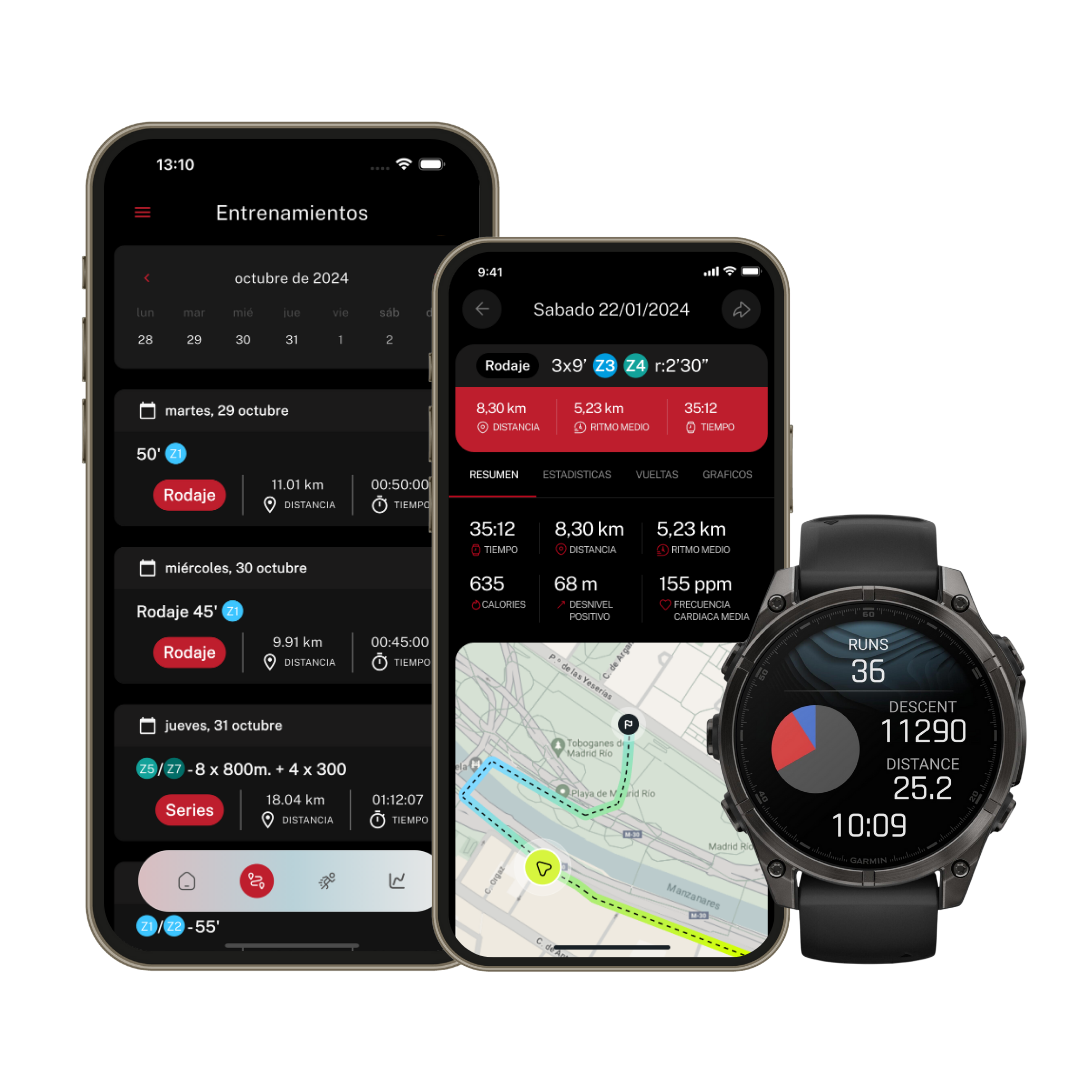
Download Runnify
Training plans adapted to your current fitness level.
From learning to run and hitting your first 5K all the way to marathon — structured coaching in your pocket.
7 days free · Cancel anytime


Training note: This article provides general educational information, not individual medical or coaching advice. Adapt training to your experience and health, and consult a qualified professional if you have an injury, a medical condition or concerns about exercise.