VO2 Max Calculator
Estimate your VO2 max using four scientifically validated methods. VO2 max measures the maximum volume of oxygen your body can use during intense exercise — the single best indicator of cardiovascular fitness and aerobic endurance. Choose the method that best fits the data you have available, then train with a plan in Runnify to improve it with structured intervals, tempo runs and long runs.
Your VO2 max result
ml/kg/min
—
Equivalent race performances
Based on your estimated VO2 max, here are approximate race times you could achieve at peak fitness:
| Distance | Estimated time | Pace |
|---|
Improve your VO2 max with Runnify
Get structured training with intervals, tempo runs and long runs adapted to your fitness level.
VO2 max calculator guide
What VO2 max is, how it is measured, and frequently asked questions
What is VO2 max?
VO2 max (maximal oxygen uptake) is the maximum rate at which your body can consume oxygen during intense exercise. Measured in millilitres of oxygen per kilogram of body weight per minute (ml/kg/min), it is widely considered the gold standard measurement of aerobic fitness and cardiovascular endurance.
A higher VO2 max means your heart, lungs, and muscles can deliver and use oxygen more efficiently — allowing you to run faster, longer, and recover quicker between efforts.
How is VO2 max measured?
The most accurate VO2 max measurement comes from a graded exercise test in a sports science laboratory. However, lab testing is expensive and inaccessible for most people.
This calculator uses four validated estimation methods that can predict your VO2 max with reasonable accuracy using data you can collect yourself.
Race Result Method (Jack Daniels' VDOT)
Developed by legendary running coach Dr. Jack Daniels, the VDOT system estimates VO2 max from race performances. This is the most accurate field estimation method for runners, and it's what most running watches and apps use as their foundation. Works best with an all-out race effort from the past 4–6 weeks.
Cooper 12-Minute Run Test
Created by Dr. Kenneth Cooper in 1968, this test requires running as far as possible in 12 minutes. The correlation with laboratory-measured VO2 max is approximately r = 0.90. Works best on a flat track or measured course.
Heart Rate Ratio Method
Published by Uth et al. in 2004, this method uses only your resting heart rate and maximum heart rate. The formula — VO2 max = 15.3 × (HRmax / HRrest) — requires no physical exertion and is useful for tracking fitness trends over time.
Rockport 1-Mile Walk Test
Designed for sedentary individuals, beginners, and older adults who may not be able to perform a maximal running effort. Walk 1 mile as fast as possible, then record your time and heart rate at the finish.
VO2 max normative values
VO2 max varies significantly by age and sex. Here are general classifications for adults:
| Category | Men (ml/kg/min) | Women (ml/kg/min) |
|---|---|---|
| Getting started | < 35 | < 27 |
| Developing | 35 – 40 | 27 – 32 |
| Good | 40 – 48 | 32 – 40 |
| Excellent | 48 – 56 | 40 – 48 |
| Elite / Superior | > 56 | > 48 |
VO2 max naturally declines by approximately 1% per year after age 25, but regular aerobic training can significantly slow this decline.
How to improve your VO2 max
- Interval training — Repeated efforts at 90–100% of max heart rate with recovery periods.
- Tempo runs — Sustained efforts at 80–88% of max heart rate for 20–40 minutes.
- Long runs — Building aerobic base with weekly long runs at conversational pace.
- Consistency — Running 3–5 days per week with progressive overload. Most runners see improvements within 6–8 weeks.
Improve your VO2 max with Runnify
Get structured training with intervals, tempo runs and long runs adapted to your fitness level.
Frequently asked questions
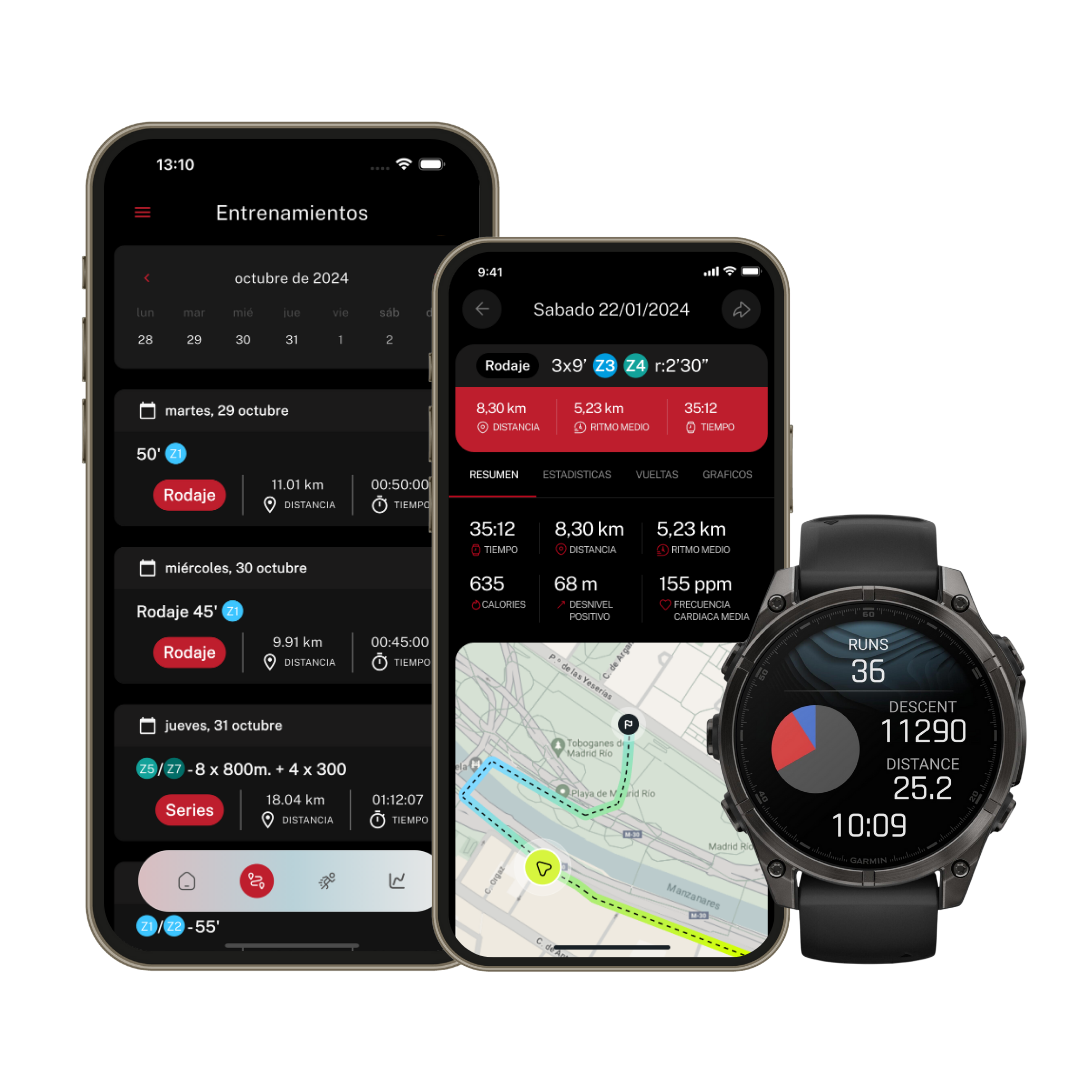
Take your running to the next level
Your personalized running coach with tailored training plans to achieve your goals, from running your first 5K to completing your first marathon.


7 days free. Cancel anytime.