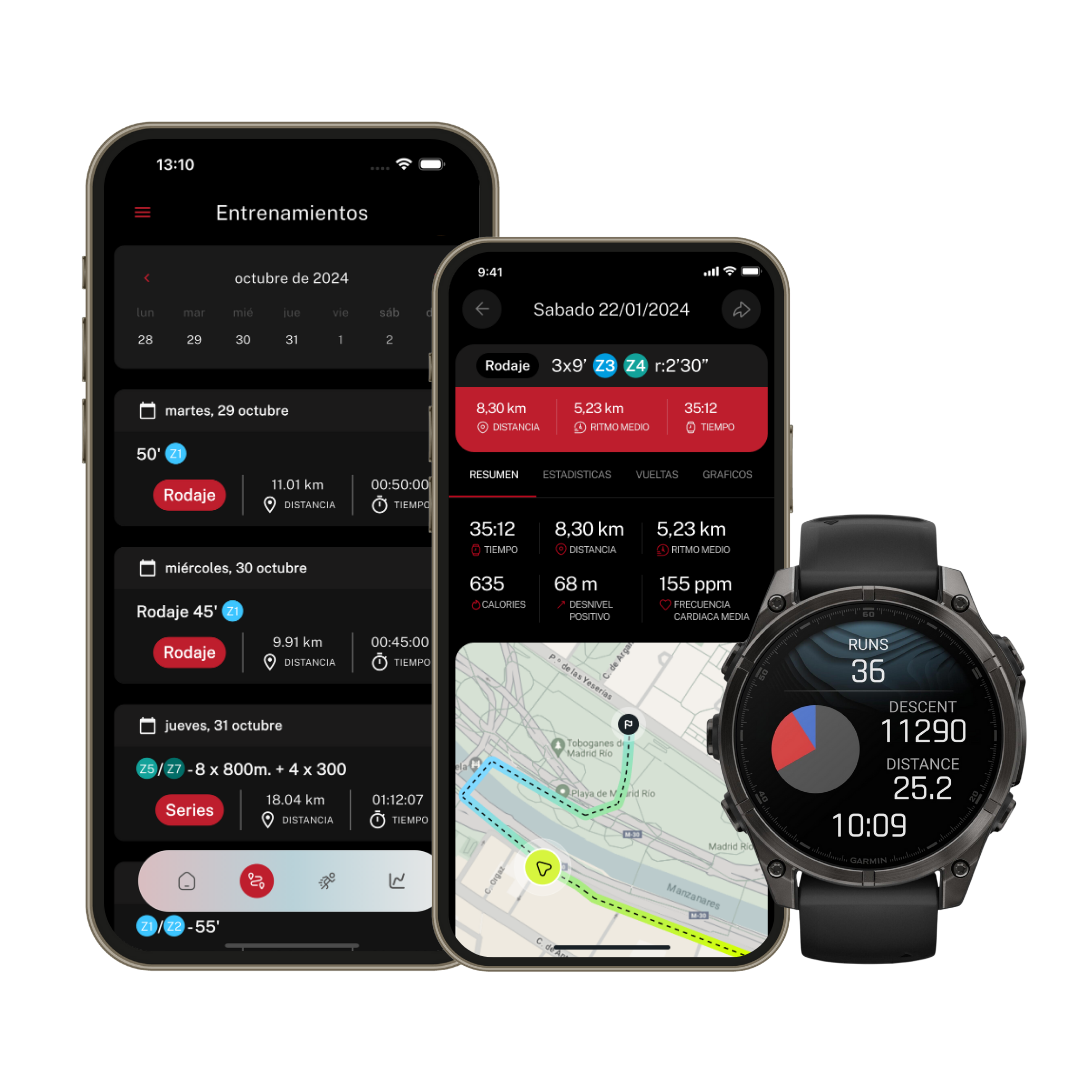
TRAINING FOR YOUR FIRST 5K INDOORS?
Turn your treadmill runs into a plan built for you Runnify
You don’t need a one-size-fits-all Couch to 5K schedule.
Get a running plan adapted to your current fitness, experience and schedule — and progress towards your first 5K at your own pace.
Starting your journey from the couch to running a 5K can be daunting, but following a structured Couch to 5K beginner training plan can make the process much more manageable. Many beginners wonder if they can train effectively on a treadmill, and the answer is a resounding yes. This article provides a detailed Couch to 5K treadmill plan, focusing on the benefits of indoor training, common mistakes to avoid, and how to transition to outdoor running once you're ready. Whether you're new to running or looking to reignite your fitness journey, this guide will equip you with everything you need to succeed.
Complete Couch to 5K Treadmill Plan
This Couch to 5K treadmill plan is designed to take you from a sedentary lifestyle to running a 5K in just nine weeks. Each week includes three workouts, focusing on a mix of walking and running to gradually build endurance.
Week 1
Day 1
Follow this 30-minute run/walk session:
- 00:00-5:00: Warmup walk
- 5:00-6:00: Run
- 6:00-7:30: Walk
- 7:30-8:30: Run
- 8:30-10:00: Walk
- 10:00-11:00: Run
- 11:00-12:30: Walk
- 12:30-13:30: Run
- 13:30-15:00: Walk
- 15:00-16:00: Run
- 16:00-17:30: Walk
- 17:30-18:30: Run
- 18:30-20:00: Walk
- 20:00-21:00: Run
- 21:00-22:30: Walk
- 22:30-23:30: Run
- 23:30-25:00: Walk
- 25:00-30:00: Cooldown walk
Day 2
Same workout as Day 1.
Day 3
Same workout as Day 1.
Week 2
Day 1
Follow this 30-minute run/walk session:
- 00:00-5:00: Warmup walk
- 5:00-6:30: Run
- 6:30-8:30: Walk
- 8:30-10:00: Run
- 10:00-12:00: Walk
- 12:00-13:30: Run
- 13:30-15:30: Walk
- 15:30-17:00: Run
- 17:00-19:00: Walk
- 19:00-20:30: Run
- 20:30-22:30: Walk
- 22:30-24:00: Run
- 24:00-26:00: Walk
- 26:00-30:00: Cooldown walk
Day 2
Same workout as Day 1.
Day 3
Same workout as Day 1.
Week 3
Day 1
Follow this 28-minute run/walk session:
- 00:00-5:00: Warmup walk
- 5:00-6:30: Run
- 6:30-8:00: Walk
- 8:00-11:00: Run
- 11:00-14:00: Walk
- 14:00-15:30: Run
- 15:30-17:00: Walk
- 17:00-20:00: Run
- 20:00-23:00: Walk
- 23:00-28:00: Cooldown walk
Day 2
Same workout as Day 1.
Day 3
Same workout as Day 1.
Week 4
Day 1
Follow this 30-minute run/walk session:
- 00:00-5:00: Warmup walk
- 5:00-8:00: Run
- 8:00-9:30: Walk
- 9:30-14:30: Run
- 14:30-17:00: Walk
- 17:00-20:00: Run
- 20:00-21:30: Walk
- 21:30-26:30: Run
- 26:30-30:00: Cooldown walk
Day 2
Same workout as Day 1.
Day 3
Same workout as Day 1.
Week 5
Day 1
Follow this 30-minute run/walk session:
- 00:00-5:00: Warmup walk
- 5:00-10:00: Run
- 10:00-13:00: Walk
- 13:00-18:00: Run
- 18:00-21:00: Walk
- 21:00-26:00: Run
- 26:00-30:00: Cooldown walk
Day 2
Follow this 30-minute run/walk session:
- 00:00-5:00: Warmup walk
- 5:00-13:00: Run
- 13:00-18:00: Walk
- 18:00-26:00: Run
- 26:00-30:00: Cooldown walk
Day 3
Follow this 30-minute run session:
- 00:00-5:00: Warmup walk
- 5:00-25:00: Run
- 25:00-30:00: Cooldown walk
Week 6
Day 1
Follow this 34-minute run/walk session:
- 00:00-5:00: Warmup walk
- 5:00-10:00: Run
- 10:00-13:00: Walk
- 13:00-21:00: Run
- 21:00-24:00: Walk
- 24:00-29:00: Run
- 29:00-34:00: Cooldown walk
Day 2
Follow this 33-minute run/walk session:
- 00:00-5:00: Warmup walk
- 5:00-15:00: Run
- 15:00-18:00: Walk
- 18:00-28:00: Run
- 28:00-33:00: Cooldown walk
Day 3
Follow this 35-minute run session:
- 00:00-5:00: Warmup walk
- 5:00-30:00: Run
- 30:00-35:00: Cooldown walk
Week 7
Day 1
Follow this 35-minute run session:
- 00:00-5:00: Warmup walk
- 5:00-30:00: Run
- 30:00-35:00: Cooldown walk
Day 2
Same workout as Day 1.
Day 3
Same workout as Day 1.
Week 8
Day 1
Follow this 38-minute run session:
- 00:00-5:00: Warmup walk
- 5:00-33:00: Run
- 33:00-38:00: Cooldown walk
Day 2
Same workout as Day 1.
Day 3
Same workout as Day 1.
Week 9
Day 1
Follow this 40-minute run session:
- 00:00-5:00: Warmup walk
- 5:00-35:00: Run
- 35:00-40:00: Cooldown walk
Day 2
Same workout as Day 1.
Day 3
Same workout as Day 1.
TRAINING FOR YOUR FIRST 5K INDOORS?
Turn your treadmill runs into a plan built for you Runnify
You don’t need a one-size-fits-all Couch to 5K schedule.
Get a running plan adapted to your current fitness, experience and schedule — and progress towards your first 5K at your own pace.
Can You Train for a 5K on a Treadmill?
Yes, you can absolutely train for a 5K on a treadmill. Treadmills offer a controlled environment that is particularly beneficial for beginners. You can adjust the speed, incline, and duration of your workouts, making it easier to follow a structured program like the Couch to 5K treadmill plan. Additionally, treadmills provide a cushioned surface that can reduce the risk of injury, which is especially important for those new to running.
Training indoors on a treadmill also eliminates weather-related obstacles. Rain, snow, and extreme temperatures can disrupt outdoor running schedules, but with a treadmill, you can maintain consistency. This consistency is crucial for building endurance and stamina as you progress through the program.
Moreover, many treadmills come equipped with features that can enhance your training experience. Heart rate monitors, interval training settings, and virtual running programs can simulate outdoor conditions and keep your workouts engaging. Tracking your progress is simpler on a treadmill, allowing you to focus on improving your pace and endurance with each session.
Benefits of Indoor Training
Indoor treadmill training offers several advantages that can help you successfully complete a Couch to 5K treadmill plan. Firstly, safety is a major benefit. Running indoors means you don't have to worry about traffic, uneven surfaces, or poor lighting, reducing the risk of accidents.
Environment control is another significant benefit. You can manage the temperature, humidity, and even the entertainment options while running indoors. This control over your environment can make workouts more enjoyable and sustainable, especially during the initial stages when motivation can waver.
In addition to safety and environmental control, treadmills allow for precise pacing. You can set your exact pace and gradually increase it as your fitness improves. This precision helps prevent overexertion and promotes steady progress, key components of any successful training plan.
Furthermore, the ability to multitask on a treadmill can be a game-changer. You can listen to podcasts, watch TV, or even participate in virtual running communities, making your training sessions more enjoyable and less monotonous.
Recommended Incline Settings
Using incline settings on a treadmill can better simulate outdoor running conditions and enhance your workout. For beginners, a slight incline of 1-2% can mimic the natural resistance of outdoor terrain without being too challenging. This incline is gentle enough to prevent injury while still engaging your muscles more than running on a flat surface.
As you progress through the Couch to 5K treadmill plan, consider gradually increasing the incline to 3-5% on some of your running intervals. This increase can help build strength and endurance, preparing you for varied terrains if you decide to transition to outdoor running.
However, be cautious not to overdo it. A steep incline can put excessive strain on your joints and muscles, especially if you're just starting. Always listen to your body and adjust the incline to match your fitness level and comfort.
TRAINING FOR YOUR FIRST 5K INDOORS?
Turn your treadmill runs into a plan built for you Runnify
You don’t need a one-size-fits-all Couch to 5K schedule.
Get a running plan adapted to your current fitness, experience and schedule — and progress towards your first 5K at your own pace.
Common Treadmill Mistakes
One common mistake is setting the treadmill speed too high. It's crucial to start at a pace you can sustain for the entire workout. Overestimating your speed can lead to exhaustion and discourage you from continuing.
Another mistake is neglecting proper form. Maintain an upright posture, keep your head up, and avoid holding onto the handrails, as this can lead to poor running habits and increased risk of injury.
Skipping warm-ups and cool-downs is a frequent error. These are essential for preparing your body for exercise and aiding recovery afterward. Always start with a 5-minute walk to warm up and end with a similar cooldown.
Finally, many runners overlook the importance of varying their workouts. Sticking to the same routine can lead to plateaus and boredom. Incorporate different speeds, inclines, and workout durations to keep your training both effective and engaging.
Transitioning Outdoors
Once you've completed the Couch to 5K treadmill plan, you might want to try running outdoors. Start by incorporating one outdoor run per week to adapt to the different surfaces and environmental factors.
Choose a familiar route with minimal traffic and even terrain to get accustomed to outdoor running dynamics. Pay attention to your pacing, as running outdoors can feel different due to wind resistance and uneven surfaces.
Gradually increase your outdoor running frequency as you feel more comfortable. This gradual transition helps prevent injuries and allows your body to adapt to new conditions effectively.
Remember, the ultimate goal is to enjoy running, whether indoors or outdoors. Listen to your body, adjust your training as needed, and celebrate your achievements along the way.
Ready to take your running journey to the next level? Sign up now and try the Runnify app free for 7 days to keep track of your progress and stay motivated!
TRAINING FOR YOUR FIRST 5K INDOORS?
Turn your treadmill runs into a plan built for you Runnify
You don’t need a one-size-fits-all Couch to 5K schedule.
Get a running plan adapted to your current fitness, experience and schedule — and progress towards your first 5K at your own pace.